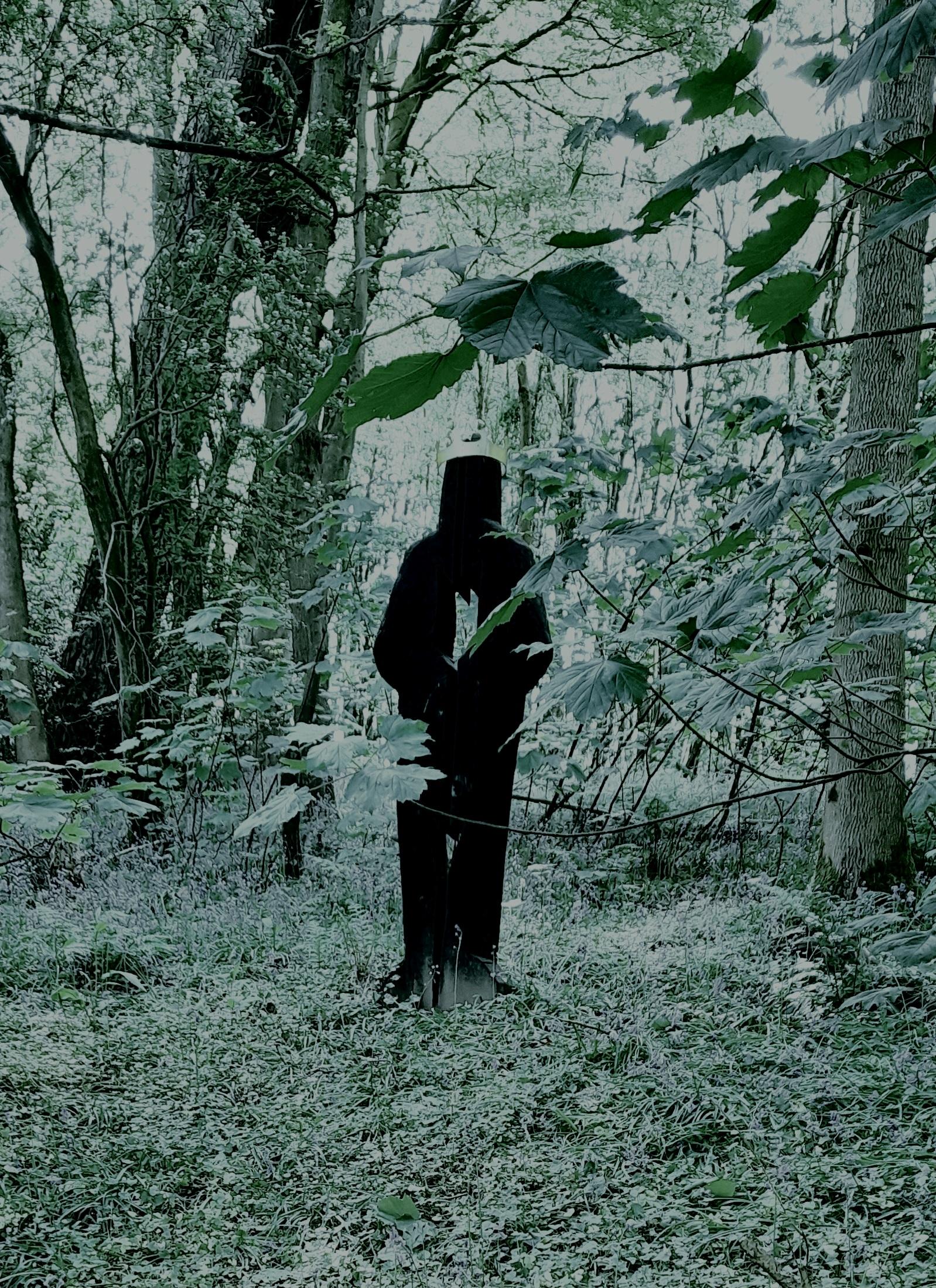
When I hear this, my mind conjures up a black-cloaked figure on a huge glossy black horse, a masked face, a tricorn hat, and a bunch of lace at his throat. A crack and a flash from his pistol, fired only in warning, of course. The highwayman – a gentleman robber, a romantic icon.
It’s rubbish. Highway robbery was a nasty business, but apparently big business at Maidenhead Thicket, where there were densely packed trees and bushes that provided good cover for thieves. Today, it is looked after by the National Trust. We think of it as a nature reserve, a place to go for a pleasant walk, although the rumble of the A4 is the backdrop to the birdsong.
In the 17th and 18th centuries, the London to Bristol road was one of the busiest in the country, but it would still have been a bit like a farm track. I mean, we think that we have problems with potholes today, but travel back then would have been bone-shakingly uncomfortable and painfully slow. But people did occasionally have to travel.
Just imagine if you were a farmer’s daughter in Slough wanting to go to see your married sister in Reading who is ill. You set out on a cart driven by an old man who has only a cudgel for your defence. As you pass through the Thicket, knife-wielding young thugs jump out and demand everything you have, including items of clothing. You would be terrified, traumatised. You have no insurance and no chance of reporting the crime to authorities willing or able to act against the robbers because they don’t exist.
The modern equivalent of highwaymen is the gang members on motorbikes who mount the pavements of London to snatch people’s phones. Hundreds of thousands of phones have been snatched in London in the past few years, one every ten minutes. Victims feel helpless and violated, and the victims of historic highway robbery would have felt the same.
So, where do these stories of “romantic” highwaymen come from? Could we excuse them as wronged army veterans, redistributing wealth? That’s the Robin Hood story, and it seems just about feasible for the ghastly circumstances of the Middle Ages, but I’m not so sure. Perhaps robbing people was just an easier way of life than toiling as a serf?
What about the famous highwaymen who operated at Maidenhead Thicket (which was one site among many to this particular brand of villain)? James Hind was one. He was a runaway butcher’s apprentice who became a highway robber. Then, to save him from obscurity, the English Civil War started and he fought on the royalist side. His statement before his execution and the propaganda of the time present him as an avenger for the King, only robbing rich Parliamentarians and giving the proceeds to the royalist poor. Hind’s alleged exploits include a failed attempt to rob Oliver Cromwell himself.
And his victims before the war? Forgotten, alas.
After James Hind came Claude Duval, perhaps the most significant origin of the gentleman highwayman fantasy. Perhaps it was his French accent. One example of his supposed chivalry is that on one occasion, he took a lesser sum than he could have done if the lady in the carriage agreed to dance with him. Chivalry, huh? That still sounds like theft and assault to me.
On the other hand, there is a story that Duval stole everything from a woman including a bottle for feeding her baby. He was a ruthless robber, possibly driven by addiction. In what way is someone taking your possessions under threat of violence (“Your money or your life” and all that) to be excused?
Dick Turpin is also recorded as operating in Maidenhead Thicket. There is a Turpin’s Lodge and Aunt Turpin’s cottage nearby, and pubs in Bracknell and Wallingford each claim to have been one of his favourites. Folklore around Turpin, who was definitely a violent career criminal, includes his improbable overnight ride from London to York on his trusty steed, Black Bess.
Highway robbery was ridiculously easy everywhere. It could even happen in Hyde Park. It makes you wonder why anyone ever undertook a journey by road. The penalty for capture was hanging, but for the 200 years in which the highwaymen plied their trade, there seems to have been precious little chance of getting caught.
In the early 19th century, however, improvements to roads, the introduction of turnpikes, traceable bank notes and the availability of easy-to-use firearms for travellers, all contributed to a reduction in highway robbery. The last reported case was in 1831. Eventually, train travel came along, which was much faster and safer. The bad folk had to move on to other things.
Curiously, even the uptight Victorians loved the idea of the gentleman highwayman. Only a few years after the apparent extinction of highway robbery, William Ainsworth introduced Dick Turpin into a novel as a romantic figure. I have to admit that I love Alfred Noyes 1906 poem “The Highwayman”. It made the top twenty in the BBC’s poll of the nation’s favourite poems. Recently, the tongue-in-cheek television drama “Renegade Nell” (in which Slough gets several mentions) entertained millions of viewers with a heroine forced to be a highwaywoman to get justice for her family.
We obviously have a deep human need to escape into the excitement of the criminal world from the comfort of our sofas. But I think that there has to be considerable distance from the reality of the crime. Does anyone glamourise scammers who lure pensioners into parting with their hard-earned savings? No. Because we know that they’re not targeting the super-rich – we and/or family members have been frightened by calls or emails from the evil-doers, and we’d rather root for the ethical hackers who track them down. For now, anyway!
:
This item was broadcast on BBC Upload on Thursday April 26th 2026.
:

:
Photo: A wooden figure lurking in the woods near Battle Abbey in East Sussex.